PHARMACEUTICAL PACKAGING INSIGHTS

Sustainable Secondary Packaging: Transitioning to ColdSeal Blister Wallets

Published: February 25, 2026 By Prince Art Packages Technical Desk 5 Min Read
Sustainable Secondary Packaging: Transitioning to ColdSeal Blister Wallets
Pharmaceutical Secondary Packaging Infrastructure — Prince Art Packages

Why heat-free pressure bonding protects temperature-sensitive APIs and probiotics while cutting plastic packaging volume by up to 50% compared to rigid plastic clamshells.

Heat-Free, Eco-Friendly Secondary Blister Packaging

Pharmaceutical manufacturers are under dual pressure: reducing single-use plastic packaging waste while protecting delicate active pharmaceutical ingredients (APIs) from thermal degradation. Traditional heat-sealed blister clamshells require high sealing temperatures (140°C to 180°C) that risk degrading live probiotic strains, peptides, and temperature-sensitive molecules.

1. The ColdSeal Advantage

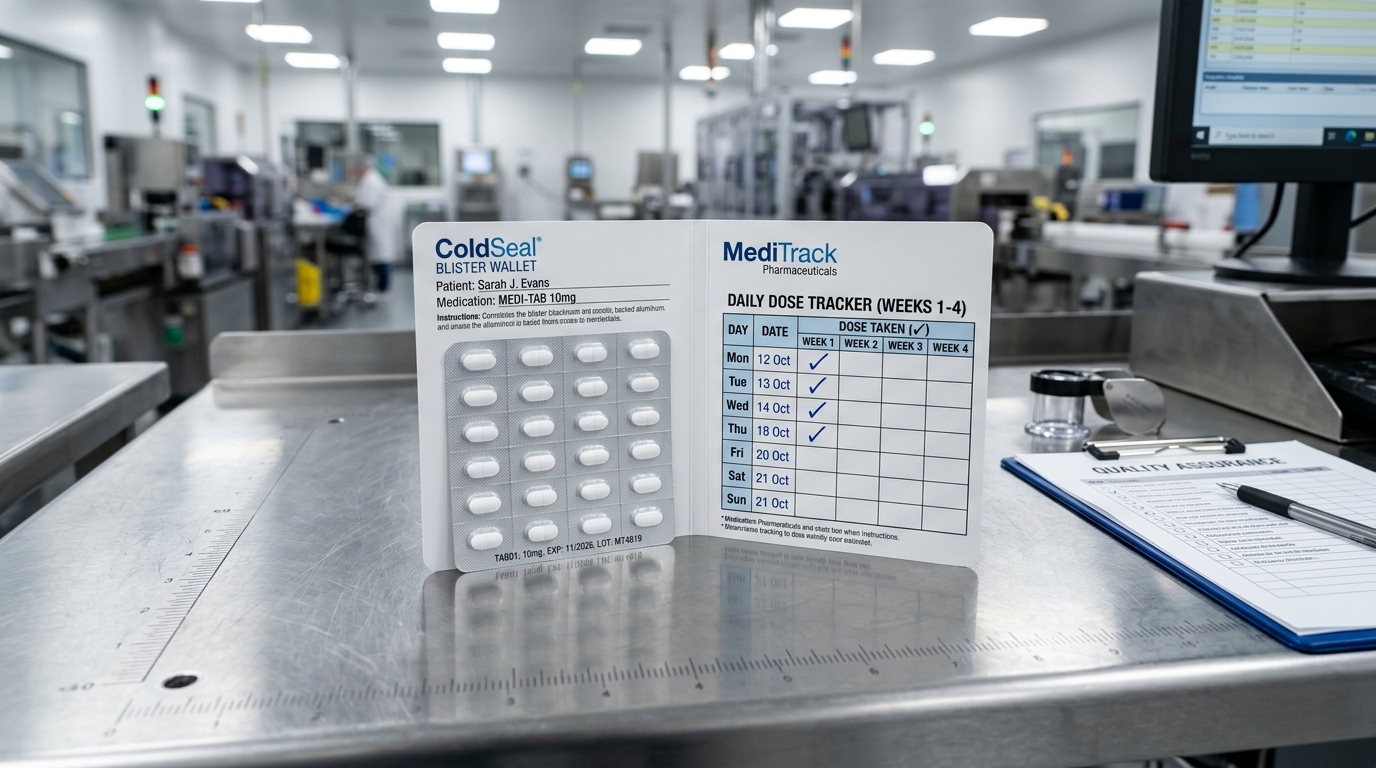
ColdSeal Blister Wallets bond two coated paperboard layers utilizing cohesive pressure pinch-rollers without applying thermal heat. The drug cavity remains at room temperature throughout packaging, ensuring 100% API potency preservation.

2. 50% Plastic Reduction

By replacing heavy thermoformed plastic clamshells and vinyl packaging with certified FSC virgin paperboard, ColdSeal reduces plastic consumption by up to 50% while offering superior recyclable credentials.

3. Built-In Dose Adherence & Child-Resistance

ColdSeal wallets provide an expansive paperboard canvas for printed day-by-day calendar grids (7-day, 14-day, 28-day) that dramatically improve patient therapy adherence. Furthermore, child-resistant push-tab locking mechanisms can be integrated to meet ISO 8317 safety compliance.
Prince Art Packages Technical Directorate

Our packaging engineering desk authors technical guidelines on ISO 9001:2015, cGMP line clearance, anti-counterfeit security, and automated cartoning line compatibility for pharmaceutical brand owners across regulated markets.

← Back to All Articles Consult Our Engineers →
CONTINUED READING

Explore Other Technical Articles

Discover our latest technical insights, regulatory updates, and packaging engineering guides for regulated pharmaceutical manufacturing.

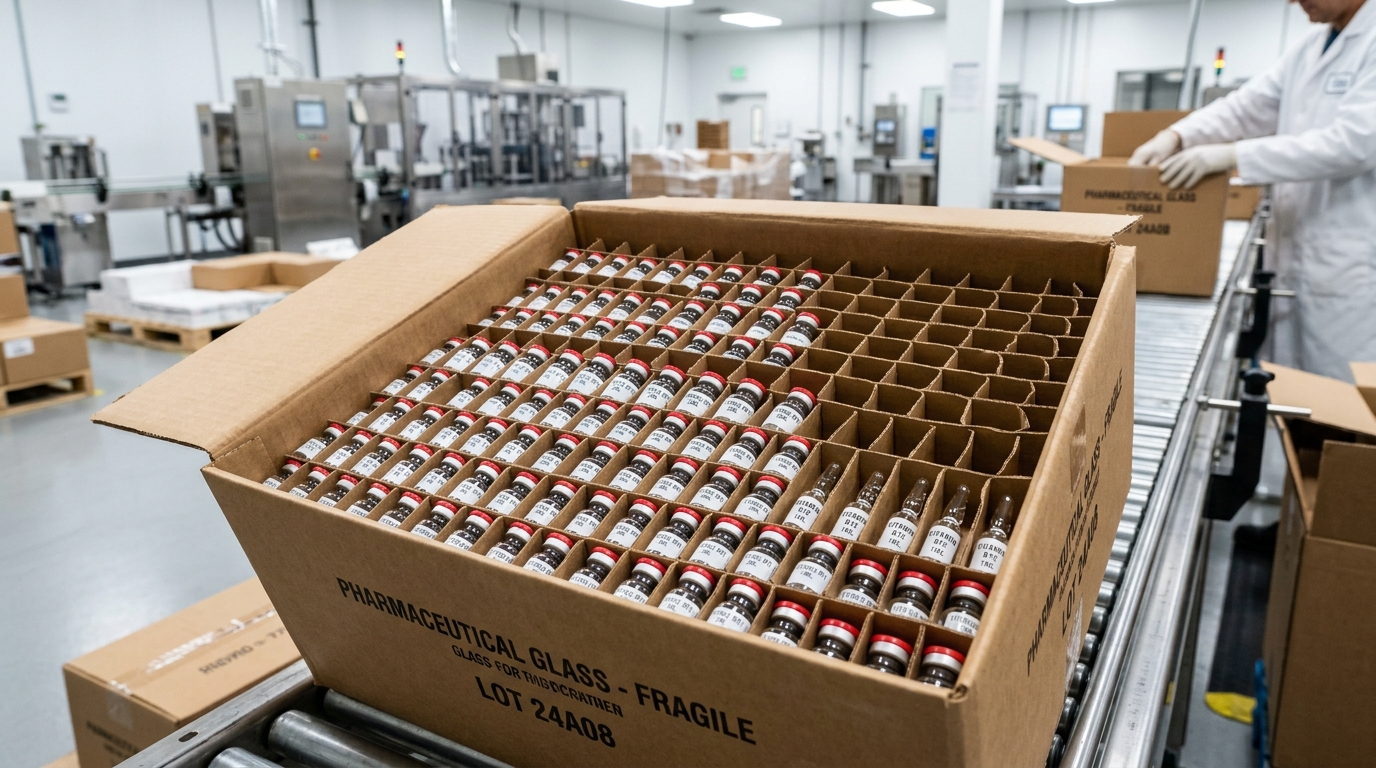
Eliminating Transit Breakage in Glass Ampoules with Honeycomb Separators
PHARMA PACKAGING Mar 2, 2026

Eliminating Transit Breakage in Glass Ampoules with Honeycomb Separators

A comparative impact analysis of engineered paperboard honeycomb cell grids vs EPS foam partitions in cleanroom packaging halls and export logistics.

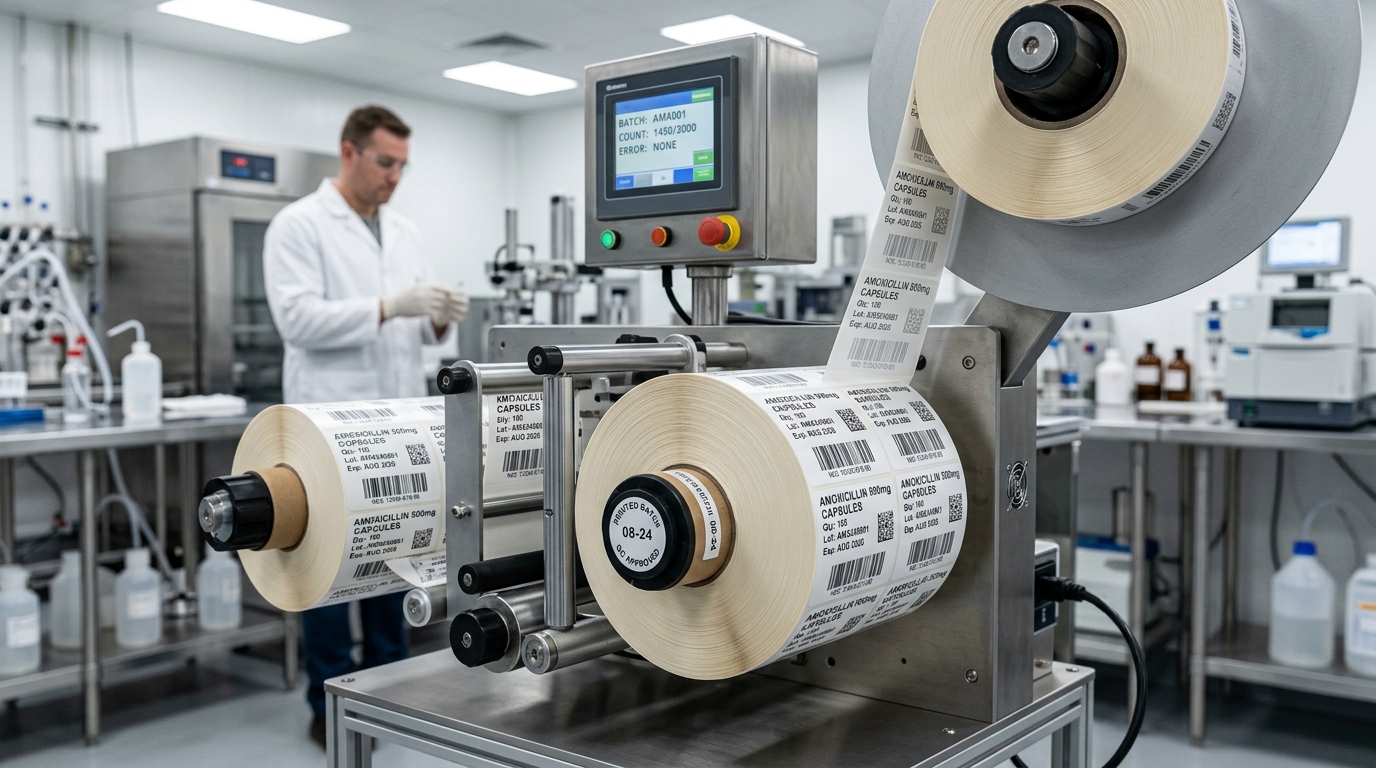
Small-Diameter Vial & Ampoule Labeling: Overcoming Flagging and Low-Temp Adhesion
PHARMA PACKAGING Feb 28, 2026

Small-Diameter Vial & Ampoule Labeling: Overcoming Flagging and Low-Temp Adhesion

Engineering self-adhesive roll labels with high initial tack, curve-conformable face-stocks, and deep-freeze (-80°C) adhesives for cold-chain biologics and injectables.

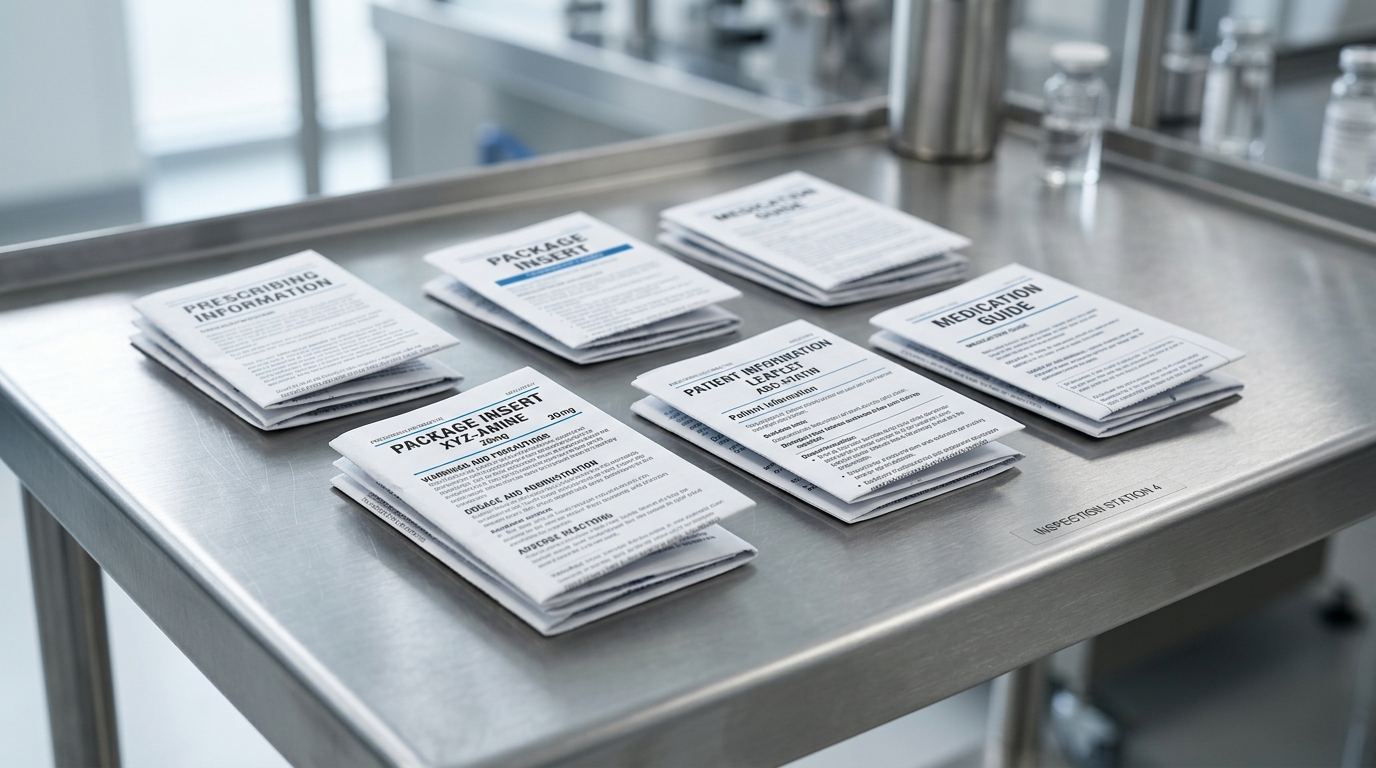
Optimizing High-Density Prescribing Leaflets (PIL) for Automated Inserters
PHARMA PACKAGING Feb 22, 2026

Optimizing High-Density Prescribing Leaflets (PIL) for Automated Inserters

How lightweight 27–60 GSM bible papers, cross-folding geometry, wafer tabs, and 100% optical Pharma-Code scanners prevent carton jamming on high-speed inserter carousels.

View All Technical Articles