PHARMACEUTICAL PACKAGING INSIGHTS

Optimizing High-Density Prescribing Leaflets (PIL) for Automated Inserters

Published: February 22, 2026 By Prince Art Packages Technical Desk 5 Min Read
Optimizing High-Density Prescribing Leaflets (PIL) for Automated Inserters
Pharmaceutical Secondary Packaging Infrastructure — Prince Art Packages

How lightweight 27–60 GSM bible papers, cross-folding geometry, wafer tabs, and 100% optical Pharma-Code scanners prevent carton jamming on high-speed inserter carousels.

Engineering Compact Patient Information Leaflets (PIL)

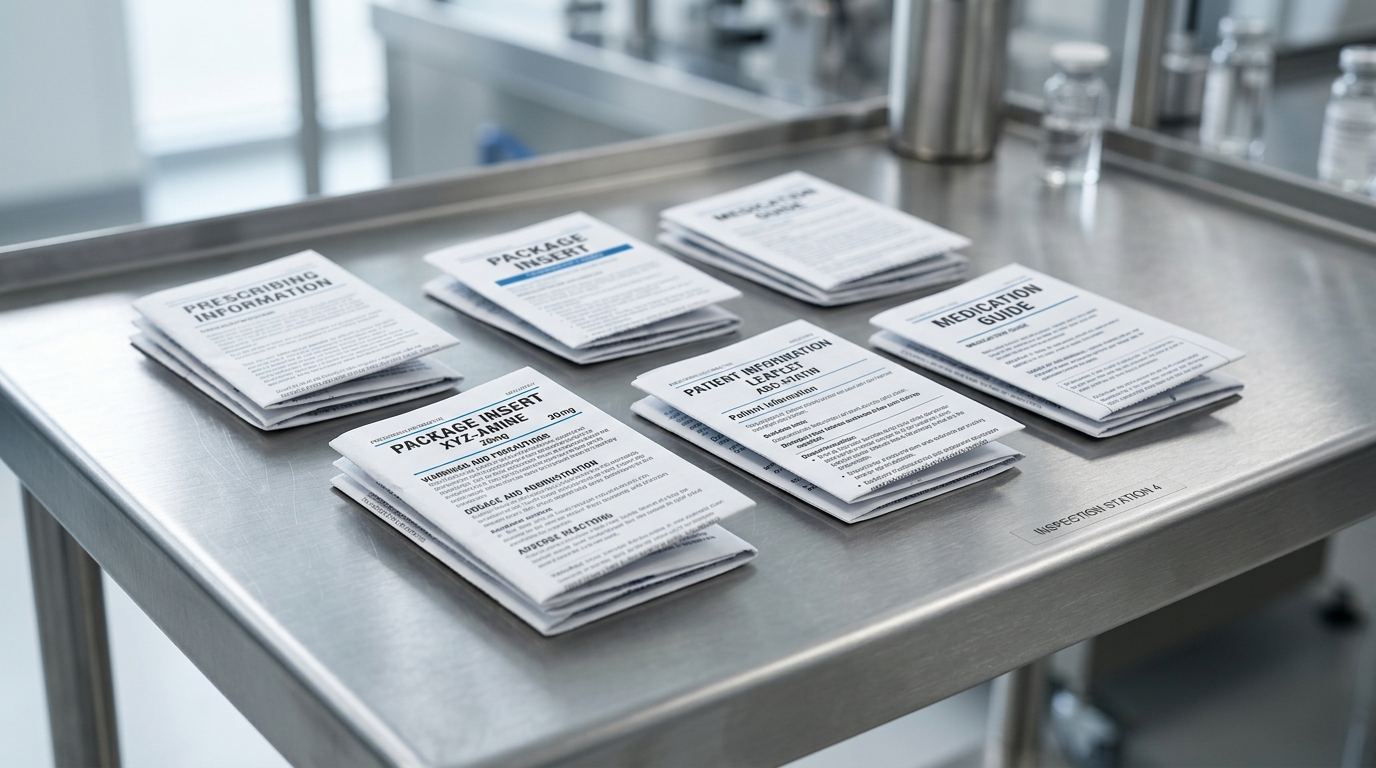
As global regulatory authorities mandate increasingly exhaustive clinical trial data, contraindications, and multi-language dosing guidelines, pharmaceutical brand owners face the challenge of inserting massive amounts of text into small secondary carton footprints.

1. Substrate Selection: 27 to 60 GSM High-Opacity Papers

Standard commercial papers cause thick folding spines and spring-back expansion that jam automated cartoning lines. We utilize specialized medical-grade thin-print paper (27 to 60 GSM) featuring exceptional mechanical tensile strength and high opacity that prevents ink show-through even with heavy typography.

2. Miniature Outsert Folding & Wafer Tab Sealing

Pre-folded miniature outserts sealed with clear fugitive adhesive wafer tabs ensure the leaflet remains flat and rigid. This allows robotic pick-and-place inserter carousels (such as GUK and Vijuk) to feed up to 350 leaflets per minute with zero double-feed errors.

3. 100% Optical Pharma-Code Vision Verification

To eliminate the catastrophic hazard of leaflet mix-ups between similar product dosages, our folding lines feature 100% inline optical sensors scanning miniature Pharma-Codes and 2D barcodes on every single fold pass. Any unmatched sheet is immediately rejected via high-speed pneumatic blowers.
Prince Art Packages Technical Directorate

Our packaging engineering desk authors technical guidelines on ISO 9001:2015, cGMP line clearance, anti-counterfeit security, and automated cartoning line compatibility for pharmaceutical brand owners across regulated markets.

← Back to All Articles Consult Our Engineers →
CONTINUED READING

Explore Other Technical Articles

Discover our latest technical insights, regulatory updates, and packaging engineering guides for regulated pharmaceutical manufacturing.

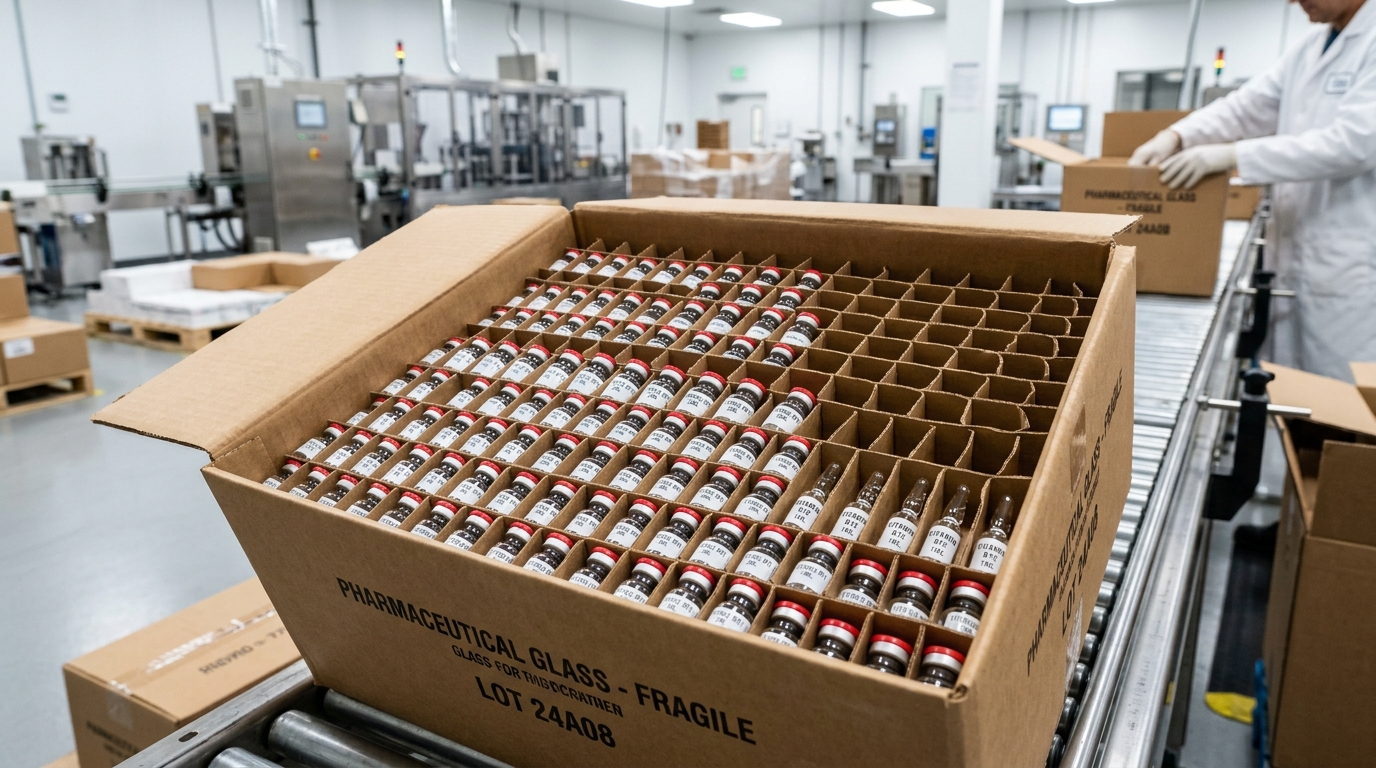
Eliminating Transit Breakage in Glass Ampoules with Honeycomb Separators
PHARMA PACKAGING Mar 2, 2026

Eliminating Transit Breakage in Glass Ampoules with Honeycomb Separators

A comparative impact analysis of engineered paperboard honeycomb cell grids vs EPS foam partitions in cleanroom packaging halls and export logistics.

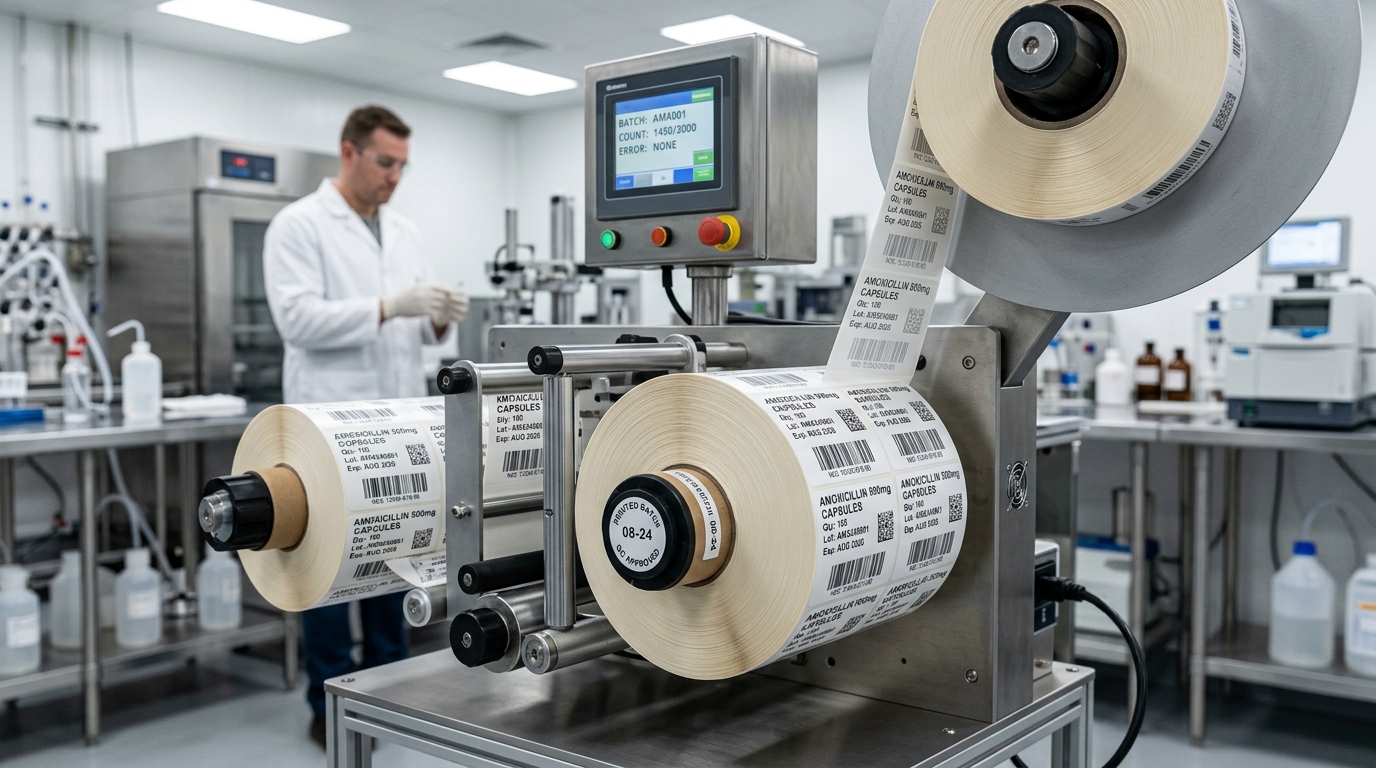
Small-Diameter Vial & Ampoule Labeling: Overcoming Flagging and Low-Temp Adhesion
PHARMA PACKAGING Feb 28, 2026

Small-Diameter Vial & Ampoule Labeling: Overcoming Flagging and Low-Temp Adhesion

Engineering self-adhesive roll labels with high initial tack, curve-conformable face-stocks, and deep-freeze (-80°C) adhesives for cold-chain biologics and injectables.

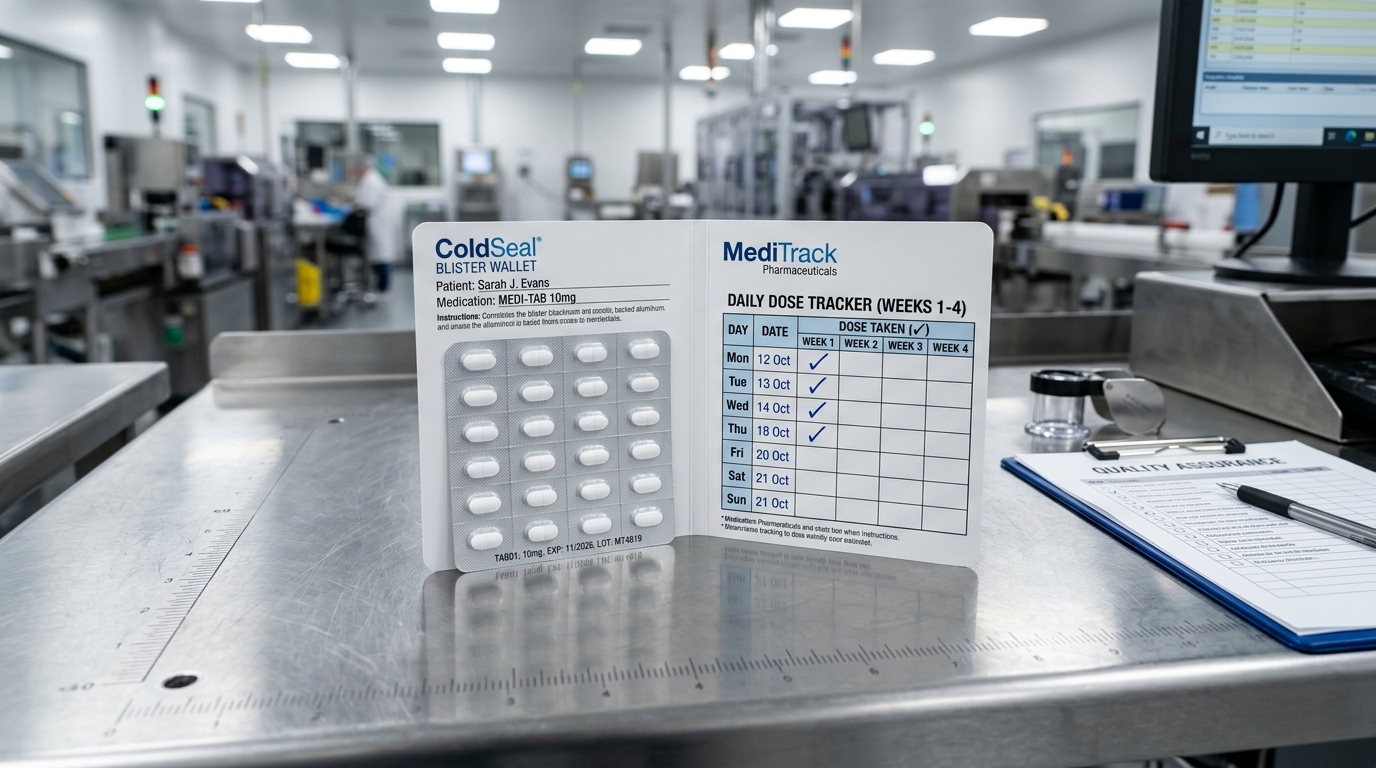
Sustainable Secondary Packaging: Transitioning to ColdSeal Blister Wallets
PHARMA PACKAGING Feb 25, 2026

Sustainable Secondary Packaging: Transitioning to ColdSeal Blister Wallets

Why heat-free pressure bonding protects temperature-sensitive APIs and probiotics while cutting plastic packaging volume by up to 50% compared to rigid plastic clamshells.

View All Technical Articles