PHARMACEUTICAL PACKAGING INSIGHTS

Eliminating Transit Breakage in Glass Ampoules with Honeycomb Separators

Published: March 2, 2026 By Prince Art Packages Technical Desk 5 Min Read
Eliminating Transit Breakage in Glass Ampoules with Honeycomb Separators
Pharmaceutical Secondary Packaging Infrastructure — Prince Art Packages

A comparative impact analysis of engineered paperboard honeycomb cell grids vs EPS foam partitions in cleanroom packaging halls and export logistics.

Protecting Fragile Liquid Parenterals During Multi-Modal Export

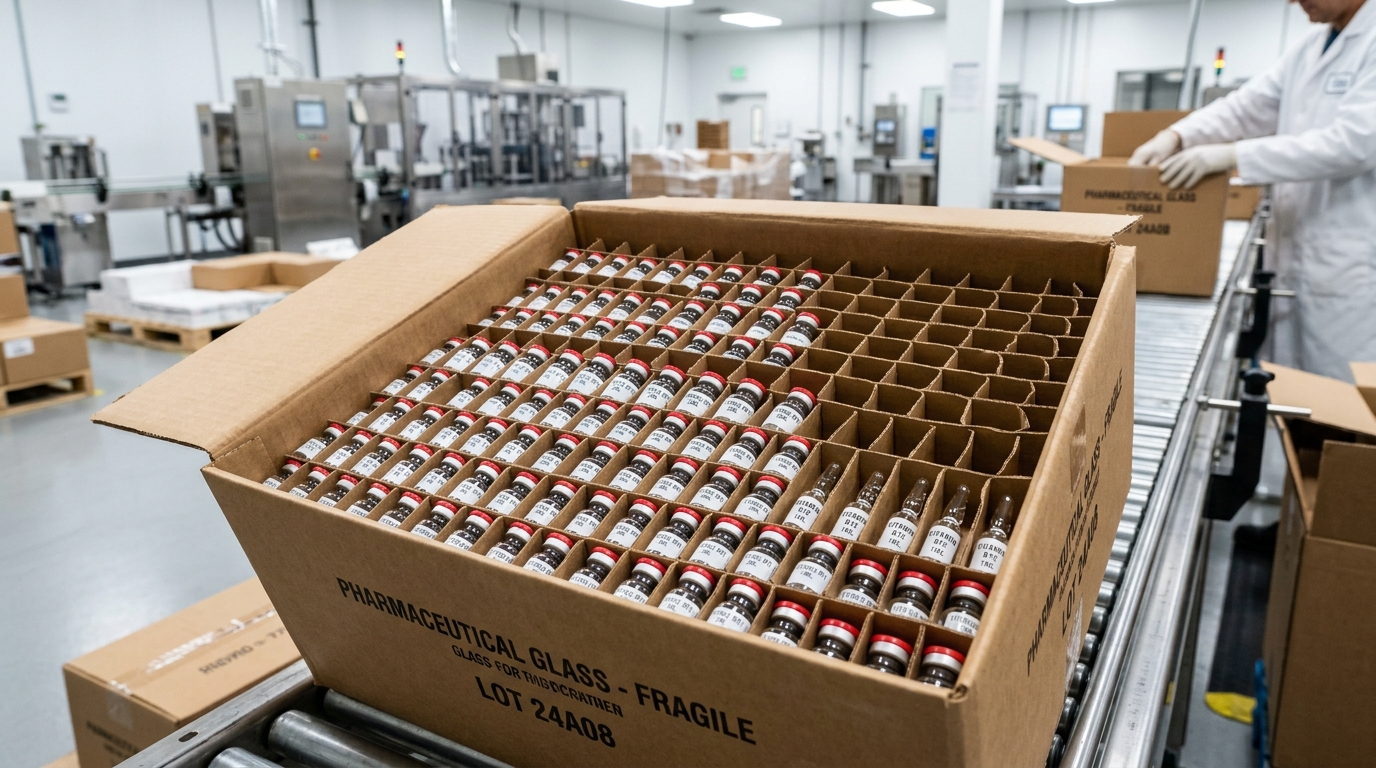
Sterile glass ampoules and liquid vials are exceptionally vulnerable to transit vibration shock, glass-to-glass scuffing, and hairline micro-fractures during road, rail, and sea shipping. Even a single broken ampoule can contaminate an entire master shipper carton with liquid and glass shards.

1. Multi-Axis Shock Absorption with Honeycomb Grid Cells

Prince Art Packages manufactures engineered paperboard honeycomb partitions and collapsible interlocking grid dividers. By encapsulating each container within its own structural cushioned cell (10, 20, 50, or 100-cell matrices), glass-to-glass contact is completely prevented.

2. Cleanroom Particulate Compatibility

Unlike expanded polystyrene (EPS) foam and cheap strawboards that shed static-charged dust particles inside clean packaging halls, our honeycomb partitions are manufactured from low-dust, solid bleached Kraftliner board conforming to cGMP air cleanliness standards.

3. Sustainable Export Compliance

Many international export destinations impose strict plastic packaging bans. Honeycomb paperboard separators are 100% biodegradable, recyclable, and compliant with FSC sustainable packaging standards.
Prince Art Packages Technical Directorate

Our packaging engineering desk authors technical guidelines on ISO 9001:2015, cGMP line clearance, anti-counterfeit security, and automated cartoning line compatibility for pharmaceutical brand owners across regulated markets.

← Back to All Articles Consult Our Engineers →
CONTINUED READING

Explore Other Technical Articles

Discover our latest technical insights, regulatory updates, and packaging engineering guides for regulated pharmaceutical manufacturing.

Small-Diameter Vial & Ampoule Labeling: Overcoming Flagging and Low-Temp Adhesion
PHARMA PACKAGING Feb 28, 2026

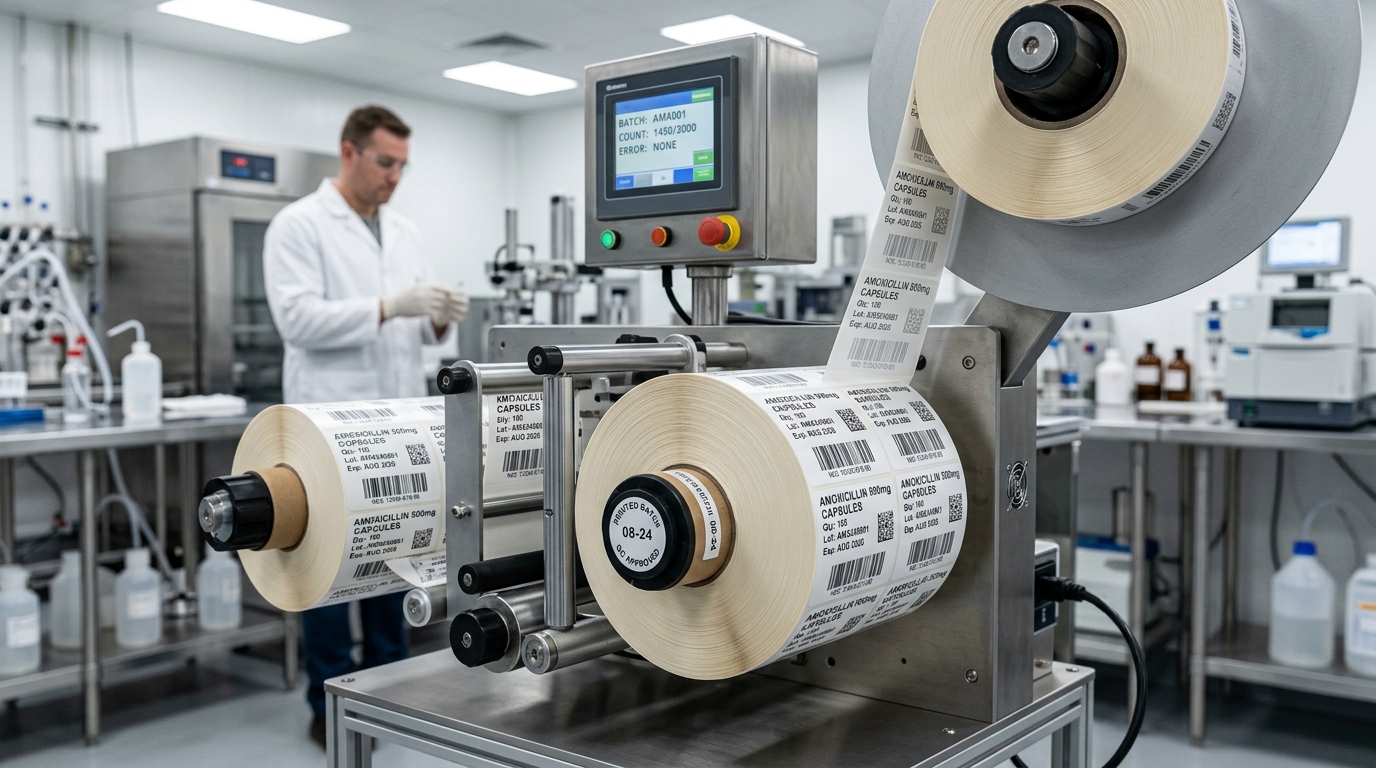
Small-Diameter Vial & Ampoule Labeling: Overcoming Flagging and Low-Temp Adhesion

Engineering self-adhesive roll labels with high initial tack, curve-conformable face-stocks, and deep-freeze (-80°C) adhesives for cold-chain biologics and injectables.

Sustainable Secondary Packaging: Transitioning to ColdSeal Blister Wallets
PHARMA PACKAGING Feb 25, 2026

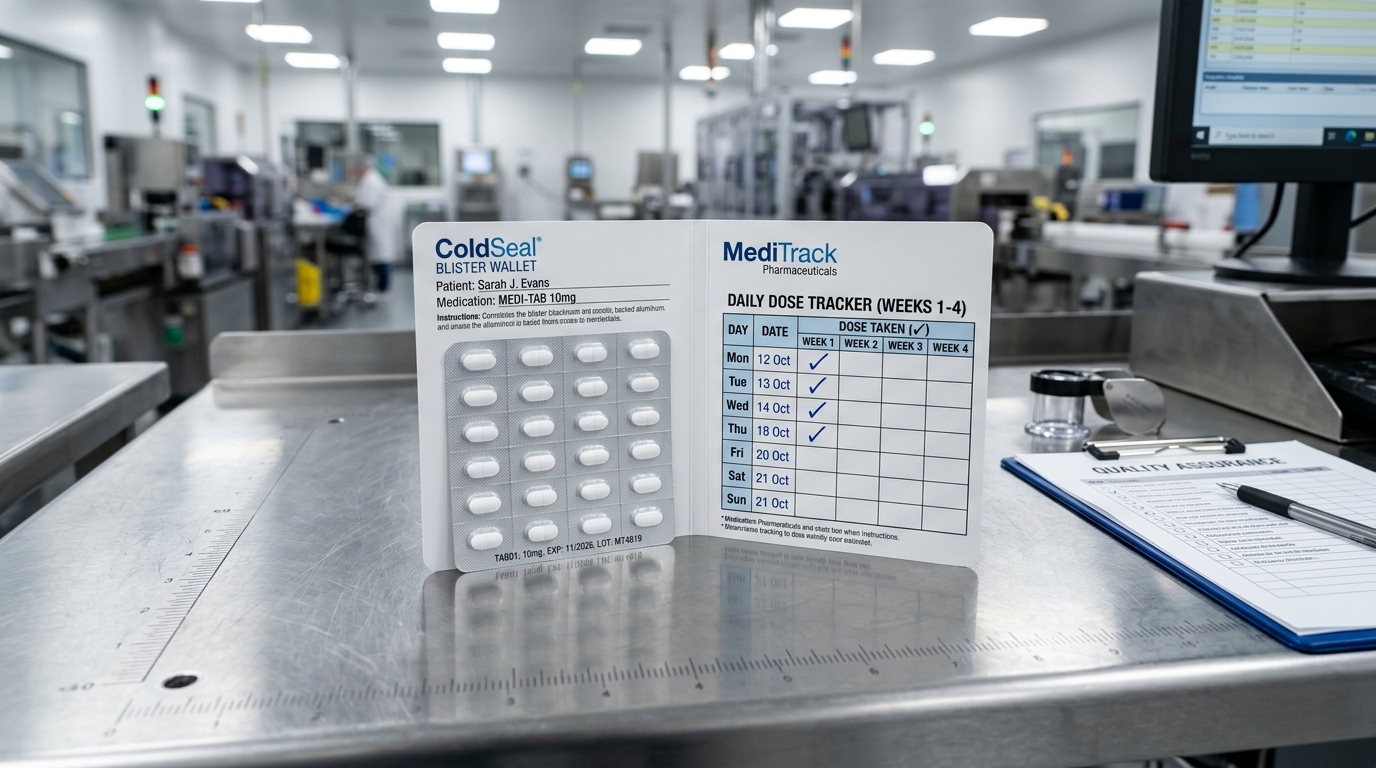
Sustainable Secondary Packaging: Transitioning to ColdSeal Blister Wallets

Why heat-free pressure bonding protects temperature-sensitive APIs and probiotics while cutting plastic packaging volume by up to 50% compared to rigid plastic clamshells.

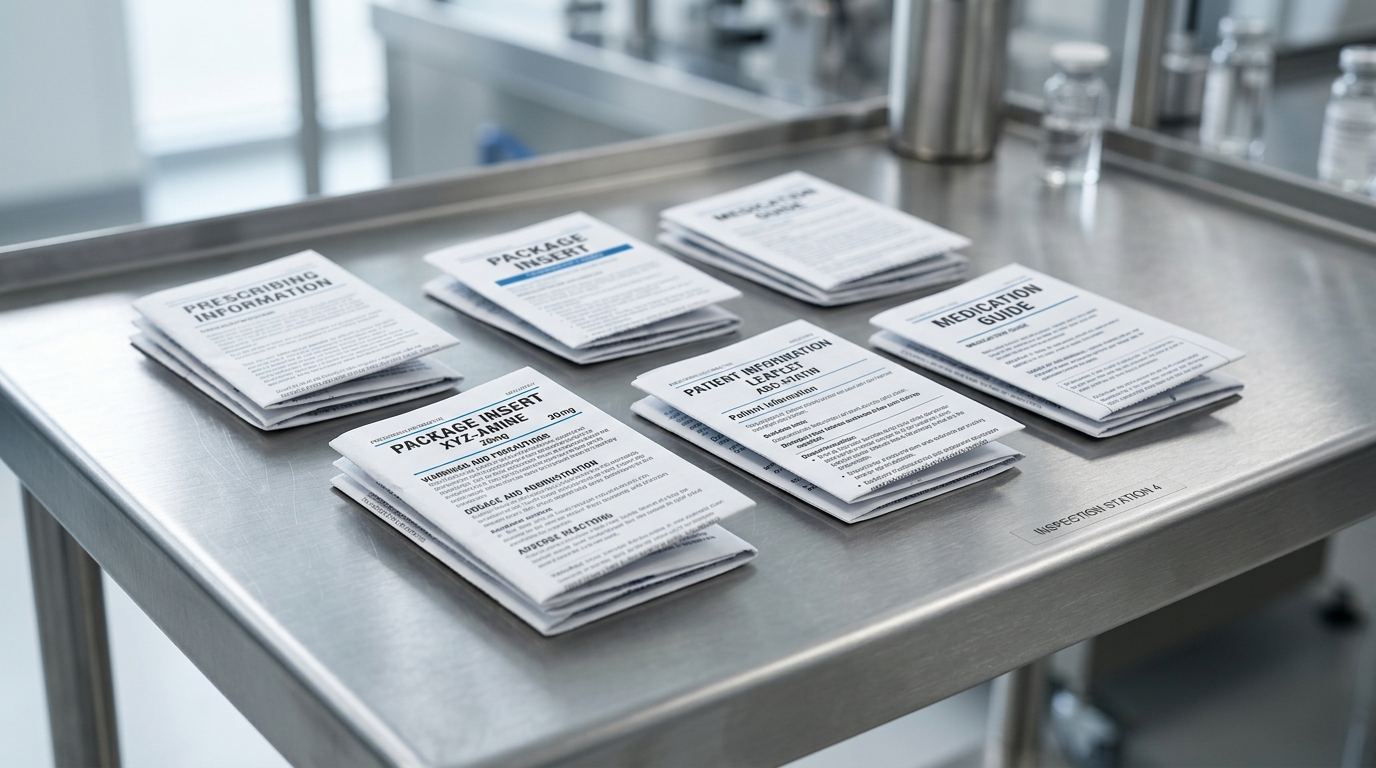
Optimizing High-Density Prescribing Leaflets (PIL) for Automated Inserters
PHARMA PACKAGING Feb 22, 2026

Optimizing High-Density Prescribing Leaflets (PIL) for Automated Inserters

How lightweight 27–60 GSM bible papers, cross-folding geometry, wafer tabs, and 100% optical Pharma-Code scanners prevent carton jamming on high-speed inserter carousels.

View All Technical Articles